


EV grants – a guide
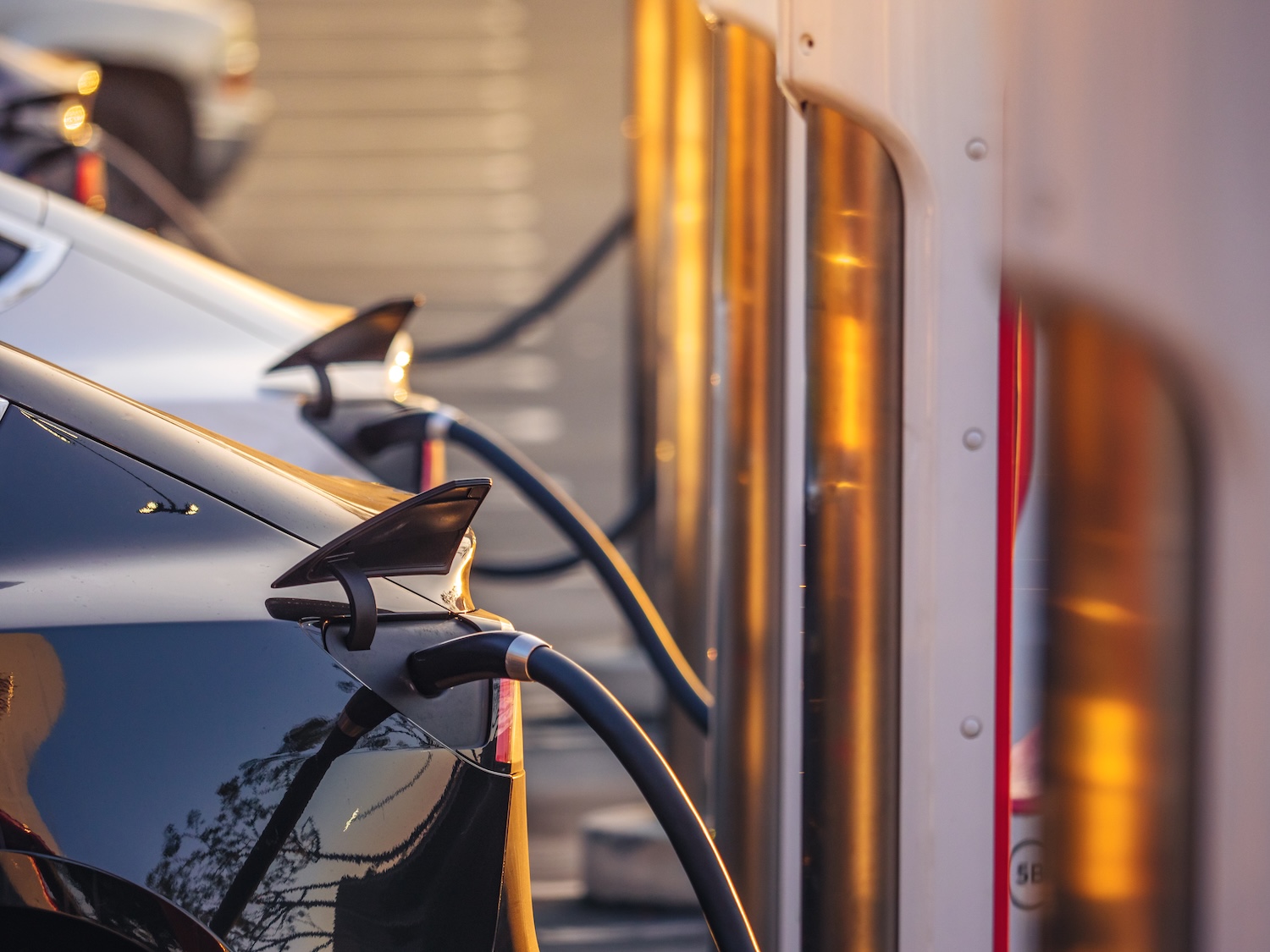
We speak to a lot of people who want to go electric but aren’t sure what help is available. So we’ve pulled together a guide to the main UK grants and money-savers you can take advantage of now, for home EV chargers and for electric vehicles themselves, plus a look at why an EV charger works brilliantly alongside solar panels and a battery.
Grants for home EV chargers
EV chargepoint grant
If you rent your home, own a flat, or have on-street parking, you are likely to be eligible for a grant covering 75% of the cost of buying and installing a home chargepoint, capped at £350.
The process is straightforward – you choose an approved installer (like us), and we apply for the grant on your behalf so the discount is taken off the total cost.
EV infrastructure grant for landlords
Landlords (including right-to-manage companies and social housing providers) can claim funding to put in the main cabling and sockets for parking areas at blocks of flats. It’s designed so you can wire a car park once and add more sockets later as demand grows. This helps future-proof buildings and makes charging more accessible for residents.
Grants for workplaces
Small or large, if your business has off-street parking you can claim up to 75% off purchase and installation costs (capped at £350 per socket) for chargers used by staff and fleets. It’s a popular way to reduce fuelling costs and support employees who drive electric. Each organisation can apply for support for fitting a maximum of 40 sockets.
There’s also an infrastructure grant for SMEs to help fund the electrical groundwork at business premises, for example cabling, distribution boards and future-ready ducting, so you can add more chargers easily as your fleet electrifies.
The grant covers 75% of the cost of the work, up to a maximum of £15,000. You can get up to £350 per chargepoint socket installed and up to £500 per parking space enabled with supporting infrastructure. You can receive up to five grants across five different sites.
Grants for buying electric vehicles
Electric car grant
In August 2025, the government introduced the Electric Car Grant. Most eligible models currently receive £1,500 off the purchase price (with a £37,000 price cap). The discount is applied by the dealer, so there’s no extra paperwork to worry about.
If you’re looking at electric vans, the Plug-in Van Grant remains in place. Depending on size, small vans can get up to £2,500 off, while large vans can get up to £5,000 off – again, the discount is applied at the point of sale. Some electric motorcycles and mopeds qualify for 35% off, capped at £500, subject to mileage and price criteria.
What’s changed in 2025
Two policy shifts this year stand out. First, the Electric Car Grant we mentioned above – bringing back direct support for drivers on eligible models. Second, planning rules were relaxed in May 2025, making it much easier (in many cases) to install both private and public chargers without a full planning application. The aim is clear, remove barriers, speed up installs, and get more people charging at home, at work and on the go.
It’s badly needed because the network is growing fast and demand is following. As of 1 July 2025, the UK had 86,976 public chargepoints, up 42% year-on-year, including 34,003 rapid and ultra-rapid devices for quick turnarounds on longer trips.
Don’t forget VAT savings on home energy upgrades
Home energy kits became even better value in 2024. The UK extended 0% VAT to cover a wider set of energy-saving materials, including standalone and retrofitted home batteries (not just batteries installed at the same time as solar). The zero rate runs until 31 March 2027 before reverting to a reduced rate. That can shave a meaningful amount off a solar-plus-battery install, especially when packaged with an EV charger.
How EV chargers, solar panels and batteries work together
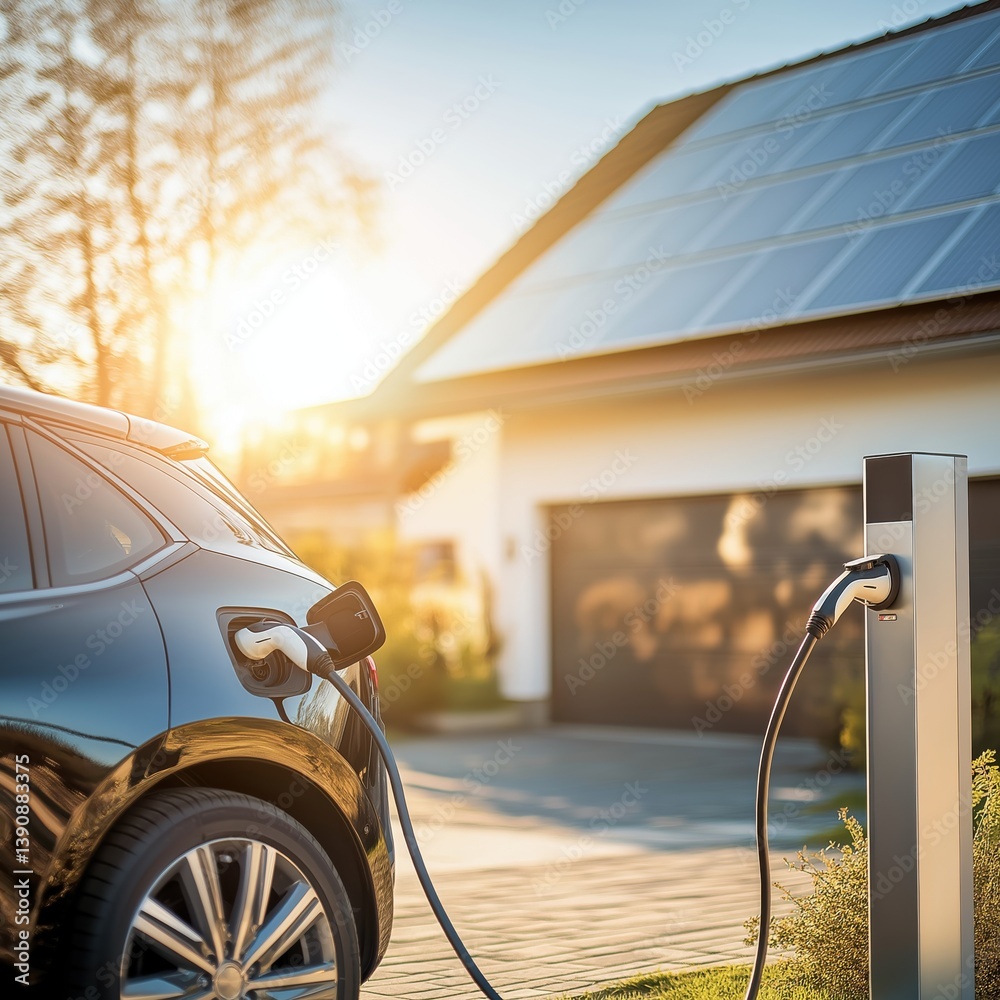
Solar panels make cheap, clean electricity during the day. A home battery stores any surplus so you can use it later – say, to charge your EV overnight or to run the house overnight. A smart EV charger can prioritise your self-generated power first and top up from the grid when it makes sense. Put together, you can:
- Cut running costs by charging from your own solar (and using smart tariffs wisely).
- Reduce grid dependence, which helps during peak times and gives you more control.
- Lower your carbon footprint, because more of your miles are powered by sunshine rather than fossil fuels.
- Benefit from 0% VAT on the installation of eligible energy-saving materials, including standalone home batteries, until March 2027.
Many homes can see the benefits with 8-12 solar panels, a 7-10 kWh battery, and a 7kW home charger, but the right setup depends on your roof, how much electricity you use, driving pattern and budget. We’ll carry out a free survey of your home to make sure the system is right for your home, so you get the best payback. We’ll also handle the grant paperwork where applicable, and get you charging on clean power as quickly as possible.
Get in touch with our team at info@eerenewables.co.uk or 0800 802 1116.
