


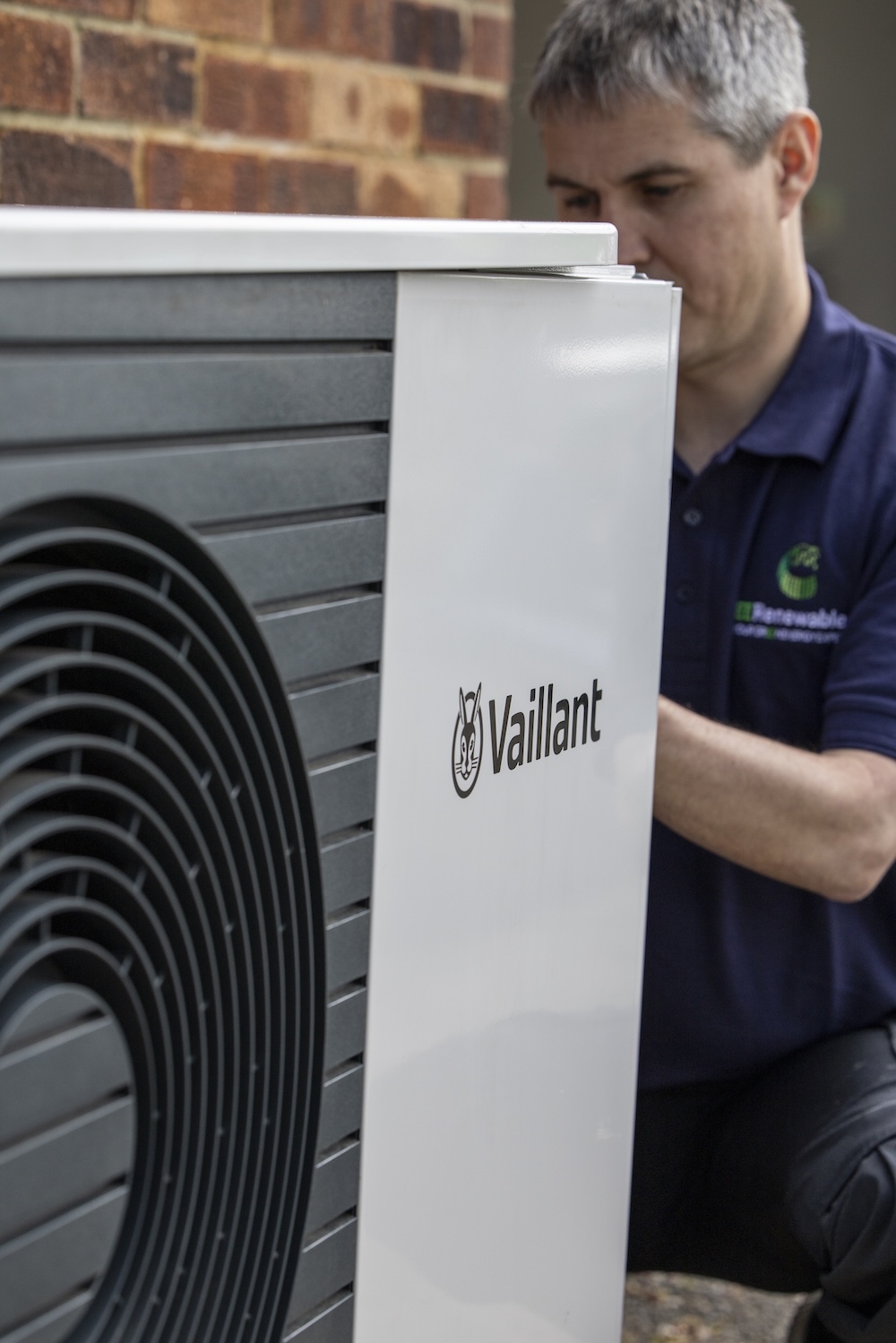
Best location for an air source heat pump
If you’re a UK homeowner or landlord considering an air source heat pump (ASHP) for your property, finding the best location for air source heat pump installation is crucial for efficiency, performance, and longevity. This guide dives deep into the factors that influence optimal placement, helping you make a smart choice for your heating system.
What Is the Best Location for an Air Source Heat Pump?
The best location for an air source heat pump is typically an outdoor spot with ample airflow, protection from harsh weather, and easy access for maintenance, while complying with UK building regulations. For properties in Southern England or South Wales, ideal sites often include the side or rear of the building, away from high-traffic areas to minimise noise impact.
Key Factors Influencing ASHP Placement
When selecting the optimal spot for your ASHP unit, consider these essential elements to ensure energy efficiency and system reliability:
- Airflow and Ventilation: The unit needs unrestricted air circulation to extract heat effectively from the outdoor air.
- Noise Considerations: Position it away from bedrooms or neighbour boundaries to avoid disturbances.
- Protection from Elements: Shield from direct rain, snow, or debris to prevent damage and maintain performance.
- Proximity to the Property: Closer placement reduces heat loss in pipes, improving overall efficiency.
- Ground or Wall Mounting Options: Decide based on space availability and soil stability in your region.
| Factor | Why It Matters | Ideal Scenario for UK Homes |
|---|---|---|
| Airflow | Ensures efficient heat extraction | Open space with at least 1m clearance on all sides |
| Noise | Complies with UK noise regulations (e.g., below 42 dB at boundaries) | At least 3-5m from windows or neighbour fences |
| Weather Protection | Prevents frost buildup or corrosion | Under a shelter or on a south-facing wall |
| Accessibility | Facilitates servicing and repairs | Ground-level or easily reachable without ladders |
| Efficiency | Minimises energy loss | Within 10-15m of the indoor unit |
Incorporating these into your heat pump site selection can boost system lifespan and reduce running costs, especially in variable UK climates like those in Brighton or Cardiff.
Where Should You Position an Air Source Heat Pump Outdoors?
You should position an air source heat pump outdoors in a well-ventilated, sheltered area that balances functionality with aesthetics, such as the garden or driveway side. For landlords in Greater London managing multiple properties, this placement helps maintain tenant comfort without compromising building exteriors.
Outdoor Placement Options and Their Pros/Cons
Exploring different outdoor spots for ASHP installation allows you to tailor the setup to your property’s layout. Here’s a breakdown:
- Side of the House: Common for semi-detached homes in Oxford or Southampton.
- Pros: Good airflow, discreet, easy access.
- Cons: Potential noise for neighbours.
- Rear Garden: Ideal for detached properties in Bristol.
- Pros: Hidden from view, ample space.
- Cons: May require longer pipe runs.
- Front Driveway: Suitable for urban setups in London.
- Pros: Quick installation, minimal disruption.
- Cons: Visible, exposed to street noise/debris.
| Location | Suitability for Property Type | Energy Efficiency Rating (Out of 10) | Common Challenges in UK Regions |
|---|---|---|---|
| Side of House | Terraced/Semi-Detached | 9 | Wind tunnels in coastal areas like Brighton |
| Rear Garden | Detached | 8 | Flooding risks in South Wales |
| Front Driveway | Urban Flats/Commercial | 7 | Vandalism concerns in city centres like Cardiff |
| Roof (Elevated) | Commercial Buildings | 6 | High winds in South West England |
Remember, for commercial buildings in these areas, consult local planning permissions to avoid delays in your renewable heating upgrade.
How Does Climate Affect the Ideal Spot for Your Heat Pump?
Climate affects the ideal spot for your heat pump by influencing factors like frost protection and wind exposure, making south-facing or sheltered positions preferable in the UK’s milder southern regions. Homeowners in Southampton or Bristol benefit from these setups to counteract occasional cold snaps.
Regional Climate Considerations in Southern UK
The UK’s diverse weather patterns mean ASHP positioning must adapt to local conditions:
- Mild and Wet Areas (e.g., South Wales): Opt for elevated mounting to avoid water pooling.
- Coastal Zones (e.g., Brighton): Use windbreaks to protect against salt-laden air.
- Urban Heat Islands (e.g., London): Leverage warmer ambient temperatures for better efficiency.
- Inland Spots (e.g., Oxford): Focus on frost-defrost cycles with good drainage.
Integrating these into your air source heat pump placement strategy ensures consistent performance year-round.
What Are the Installation Requirements for Optimal ASHP Location?
The installation requirements for optimal ASHP location include compliance with UK standards like MCS certification, minimum clearances, and noise assessments to guarantee safe and efficient operation. For landlords in Greater London, meeting these ensures eligibility for grants like the Boiler Upgrade Scheme.
Step-by-Step Guide to Assessing Your Site
Follow this numbered list to evaluate potential spots:
- Measure Clearances: Ensure 1m front/back and 0.3m sides for airflow.
- Check Noise Levels: Use a decibel app to test ambient sound.
- Assess Ground Stability: Confirm level, firm base to support the unit’s weight (up to 100kg).
- Review Regulations: Verify no planning permission needed (permitted development in most cases).
- Plan for Maintenance: Allow space for annual servicing access.
Bullet points for common pitfalls to avoid:
- Ignoring neighbour consultations, leading to disputes.
- Overlooking shading from trees, reducing efficiency.
- Neglecting electrical and plumbing proximity, increasing costs.
By adhering to these heat pump installation guidelines, you can enhance your property’s energy ratings and appeal to eco-conscious tenants.
How Can You Maximise Efficiency Through Proper Placement?
You can maximise efficiency through proper placement by choosing a location with optimal airflow and minimal obstructions, potentially improving COP (Coefficient of Performance) by up to 20%. In areas like South West England, this translates to lower bills for commercial properties.
Tips for Enhancing ASHP Performance
- Incorporate Landscaping: Use hedges as natural windbreaks without blocking air.
- Pair with Insulation: Ensure your home’s fabric supports the heat pump’s low-temperature output.
- Monitor Orientation: South or west-facing for better winter sun exposure.
| Efficiency Booster | Impact on Performance | Applicability in Target Regions |
|---|---|---|
| Wind Protection | Reduces energy use by 10-15% | High in coastal Southampton |
| Sun Exposure | Improves defrost efficiency | Beneficial in sunny Bristol |
| Proximity to Indoors | Minimises heat loss | Crucial for urban London setups |
| Elevated Mounting | Avoids ground frost | Recommended in flood-prone Cardiff |
These strategies align with renewable energy best practices, making your ASHP a smart investment.
FAQs
Can Air Source Heat Pumps Be Installed in Conservation Areas?
Yes, air source heat pumps can be installed in conservation areas, but you’ll need to check with your local council for specific approvals to preserve the area’s aesthetic, often requiring discreet placements like behind fences.
What If My Property Has Limited Outdoor Space?
For properties with limited outdoor space, compact ASHP models or wall-mounted units are viable, and professional surveys can identify creative solutions like balcony integrations without compromising efficiency.
Are There Grants Available for Relocating an Existing Heat Pump?
Grants like the ECO4 scheme may cover costs for relocating an existing heat pump if it improves energy efficiency, especially for low-income households in qualifying UK postcodes.
How Does ASHP Location Impact Resale Value?
A well-placed ASHP can boost resale value by up to 5% in eco-focused markets like Oxford, as it demonstrates modern, sustainable heating that appeals to green buyers.
What Maintenance Is Needed Based on Location Choice?
Maintenance varies by location; exposed sites require more frequent filter cleaning (every 3-6 months), while sheltered spots focus on annual professional checks to prevent issues like debris buildup.
Final Thoughts
Selecting the right spot for your air source heat pump involves balancing practical factors like airflow and regulations with regional specifics to achieve peak performance and cost savings. By applying these insights, UK property owners can confidently transition to sustainable heating, enhancing comfort and environmental impact. For personalised advice, contact EE Renewables to explore how we can support your renewable journey in your area.
