


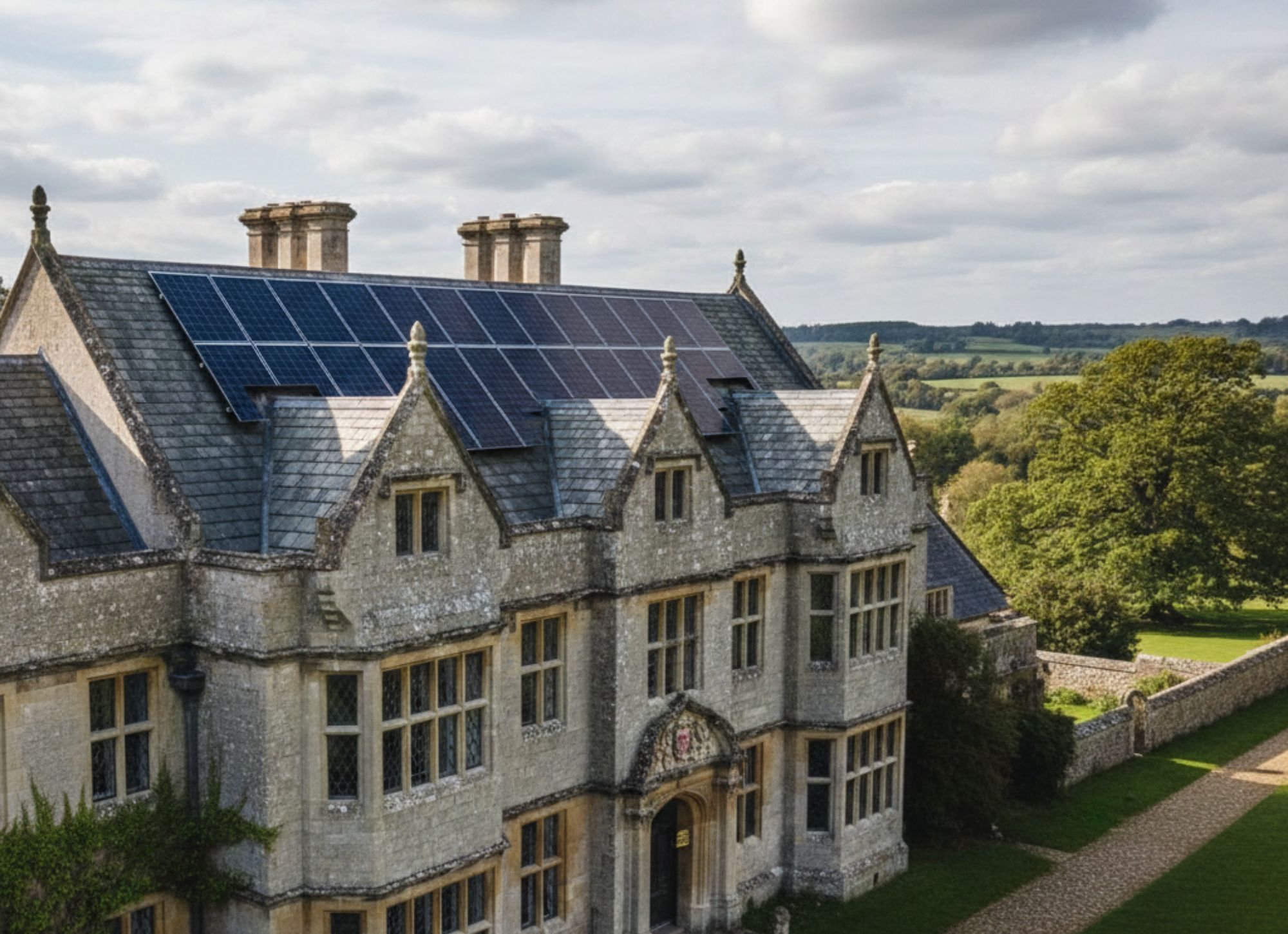
Solar Panels on Listed Buildings in The UK: Key Rules & Tips
Yes, you can install solar panels on a listed building in the UK, with the right consents and sympathetic designs that respect the building’s special character.
This guide dives into essential regulations, application steps, viable alternatives, potential benefits, and expert tips tailored for regions like Southern England, Greater London, South West England, and South Wales, helping you navigate photovoltaic installations on historic structures confidently and compliantly.
Can You Install Solar Panels on Listed Buildings?
Yes, you can install solar panels on listed buildings in the UK, provided you obtain listed building consent from your local planning authority to ensure the setup doesn’t harm the property’s architectural or historical significance, with approvals more likely for discreet, reversible designs in 2026.
This balances renewable energy goals with heritage protection in areas like Oxford or Cardiff.
What Are the Key Rules for Solar Panels on Listed Buildings?
The key rules for solar panels on listed buildings mandate listed building consent for any external changes, alongside planning permission if not covered by permitted development, emphasising minimal visual impact and reversibility to preserve the structure’s integrity.
Unlike non-listed homes, automatic rights don’t apply, so all proposals undergo heritage assessments.
Differences from Non-Listed Properties
On non-listed roofs, permitted development allows up to 0.2m projection without permission, but listed ones require full consent to avoid altering character-defining elements like historic tiles in Southampton.
Role of Local Authorities
Local councils, via conservation officers, evaluate impacts. Rules vary by area, with stricter enforcement in Grade I sites like parts of London, focusing on heritage statements and low-profile tech.
Do You Need Listed Building Consent for Solar Panels?
You do need listed building consent for solar panels on listed buildings if the installation affects the property’s special interest, such as roof modifications or visible additions, applied for alongside or separately from planning permission through your local authority. Free for householder apps in most cases, it’s essential for legal compliance.
When Consent Might Be Granted
Consent is often granted for rear-facing, flush-mounted panels that blend with roofing, especially if they demonstrate energy efficiency benefits without permanent harm to fabric in South West England properties.
Common Reasons for Refusal
Refusals occur if panels dominate elevations, cause irreversible damage, or clash with aesthetics. You can mitigate this by choosing integrated solar slates or hidden placements.
How Do You Apply for Consent to Install Solar Panels on Listed Buildings?
You apply for consent to install solar panels on listed buildings by submitting a detailed application to your local planning portal, including drawings, photos, a heritage impact assessment, and justification for sustainability gains.
You’ll typically receive feedback in 8-13 weeks. No fee for consent alone, but combine with planning if needed.
Preparing a Strong Application
Include specialist reports on reversibility, visual simulations, and carbon savings. Consult heritage consultants early for properties in Brighton or Cardiff to boost approval chances.
Appealing a Decision
If refused, appeal to the Planning Inspectorate (England) or Welsh Government within 6 months.
What Alternatives Are There for Solar Panels on Listed Buildings?
Alternatives for solar panels on listed buildings include solar roof tiles that mimic traditional materials, ground-mounted arrays in curtilage (if not visible), or off-site community schemes for renewable energy without on-building changes. These options preserve integrity while achieving green benefits.
Integrated Solar Solutions
Solar-integrated roofing like Tesla Solar Roof or in-roof systems embed PV cells seamlessly, often gaining consent easier in Oxford’s historic cores due to aesthetic harmony.
Non-Rooftop Options
Freestanding panels in gardens (under 4m high) or portable kits suit restricted facades, providing flexibility for landlords in South Wales without structural impacts.
What Are the Benefits of Solar Panels on Listed Buildings?
The benefits of solar panels on listed buildings include reduced energy costs (£500-£800 yearly for a 3-4kW system), enhanced property resilience to price hikes, and environmental contributions like 1-1.5 tonnes CO2 savings annually, all while maintaining heritage value through thoughtful integration. In 2026, this also aligns with UK net-zero incentives.
Financial Incentives
Qualify for Smart Export Guarantee payments and potential grants for heritage retrofits, boosting ROI in energy-conscious markets like Greater London.
Long-Term Heritage Value
Sympathetic installations can increase appeal to eco-buyers, adding 2-4% to values in Southampton without compromising listed status.
Ready to Install Solar Panels on Your Listed Building?
EE Renewables Ltd excels in heritage-sensitive solar and battery storage setups across Southern England, Greater London, South West England, and South Wales, serving locations like London, Brighton, Oxford, Southampton, Bristol, and Cardiff. Navigate consents with ease and unlock sustainable savings.
Contact us today for a free quote customised to your historic home.
FAQs
How Do Solar Panel Warranties Apply to Listed Buildings?
Solar panel warranties typically cover 25-30 years on performance regardless of building type, but installers may include clauses for reversible mounting to facilitate future removal without voiding coverage on heritage sites.
What Insurance Implications Arise from Solar on Listed Buildings?
Insurance for listed buildings with solar might require specialist policies noting the additions, potentially increasing premiums slightly for added value, but green incentives from some providers can balance this.
How Does Shading from Historic Features Affect Solar Efficiency?
Shading from chimneys or ornate elements on listed buildings can reduce efficiency by 10-20%, but optimisers and micro-inverters mitigate this, ensuring viable yields in variable UK light.
Can Solar Batteries Be Added Without Extra Consents?
Solar batteries often don’t require separate consents if internal, but external units need review for visual impact, integrating seamlessly in basements or outbuildings of listed properties.
What Role Do Conservation Societies Play in Approvals?
Conservation societies like Historic England provide advisory input during consultations, offering non-binding guidance on designs that enhance rather than detract from listed aesthetics.
