


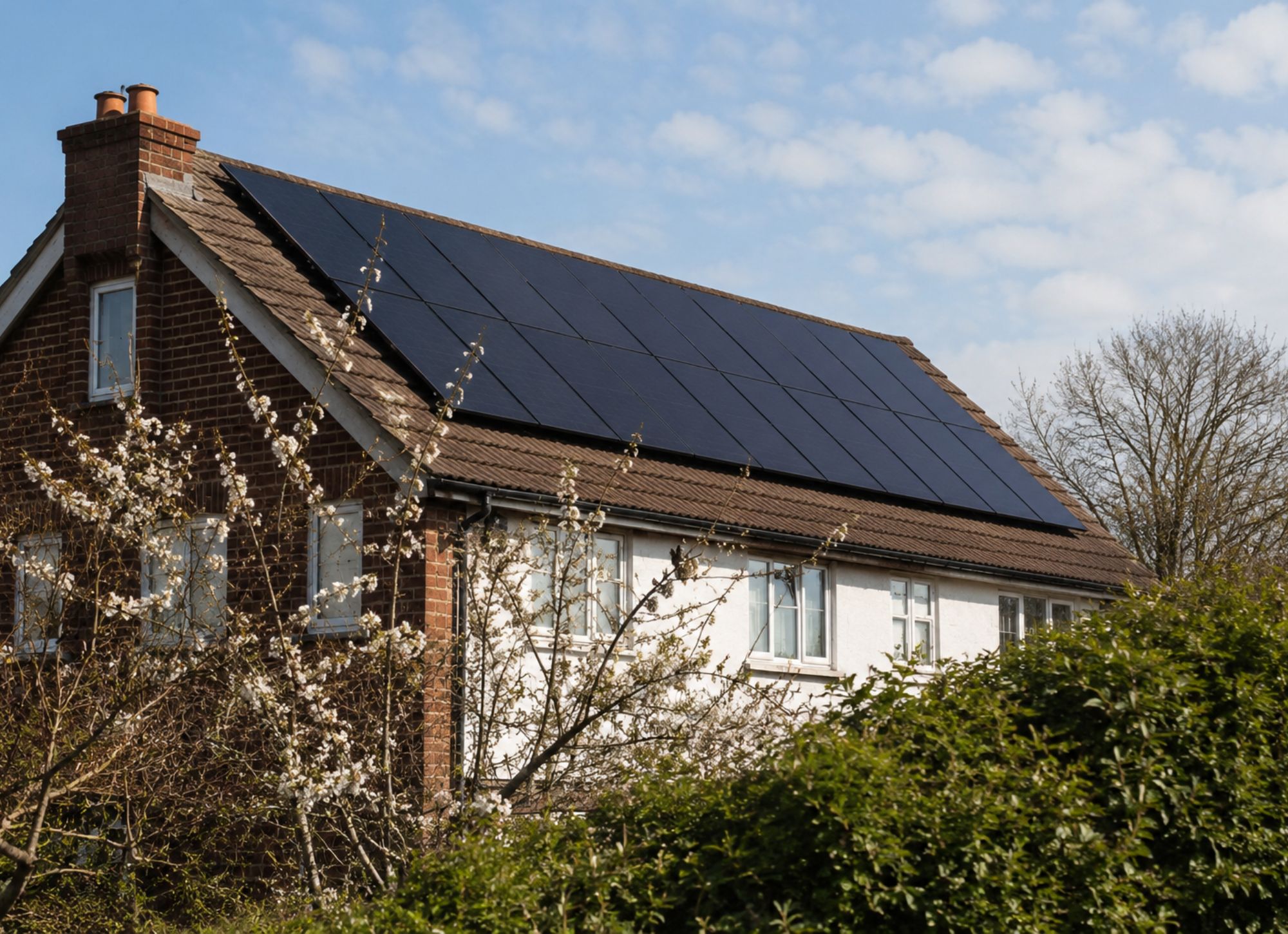
When Is the Best Time to Install Solar Panels? What You Need to Know
The best time to install solar panels is late winter through early spring. This often gives the strongest overall results. You gain installer availability, potentially better pricing, and full readiness for the peak generation months ahead. Yet the ideal moment also depends on your energy needs, local weather patterns, and current incentives like zero VAT.
When is the best time to install solar panels in the UK?
Late winter and early spring stand out as the best time to install solar panels for most properties across Southern England, Greater London, South West England, and South Wales. Installing between February and April means your solar PV system is ready to capture maximum generation as daylight hours lengthen and the sun climbs higher in the sky.
You avoid the summer rush when installers are busiest and prices can edge up due to high demand.
Spring installations
Spring installations give homeowners and businesses in places like Oxford, Southampton, and Cardiff the chance to start saving on electricity bills right through the productive warmer months. Panels generate their highest output from April to September, so having everything connected early maximises your return on investment.
Autumn and winter
Autumn and winter can also be smart choices, particularly if you want shorter waiting times and potentially more competitive quotes. Demand drops after the busy summer season, allowing experienced teams to schedule your job more quickly.
Completing the work in October to January positions your system perfectly for the following spring surge in solar production. In milder southern regions, roof work remains practical even during cooler months, and you lock in current incentives before any changes.
Summer installations
Summer installations are possible but often less convenient. The longest days and strongest sunshine feel attractive, yet this is peak season for solar panel requests across Greater London, South West England, and South Wales. Lead times stretch longer, and some installers operate at full capacity, which can delay your project.
For commercial businesses with high daytime energy needs, summer can still work if scheduling aligns, but most residential customers benefit from planning slightly earlier.
The best time ultimately depends on your personal circumstances. If your roof needs no major preparation and you want to maximise generation this coming summer, early spring is hard to beat.
If you prefer calmer scheduling and competitive pricing, late autumn or winter delivers excellent results. Either way, the sooner a quality system is installed, the sooner you start cutting energy bills, increasing energy independence, and reducing your carbon footprint.
What factors determine the best time to install solar panels in the UK
Below we highlight the factors that determine the best time to install solar panels. These affect both the installation process and your long term returns. Key factors include:
- Installer availability and scheduling — Demand rises sharply as days lengthen, so booking early helps avoid delays that could cost you an entire season of free electricity.
- Weather conditions — Roof work tends to go more smoothly in drier, milder conditions, although modern installers manage UK winters very well with proper planning.
- Your electricity usage patterns — Homes and businesses that consume more power during daylight hours see faster benefits through higher self consumption of the energy generated by your solar panels.
- Local sunshine levels — Properties in Southern England and South West England, such as those in Bristol or Brighton, benefit from better solar resources compared with northern parts of the UK.
- Current government incentives — The zero percent VAT on solar panels and batteries continues until March 2027, while schemes like ECO4 and elements of the Warm Homes Plan can significantly reduce upfront costs for eligible homes and businesses.
- Expected payback period — Solar PV systems in southern England typically pay for themselves in seven to ten years, depending on system size and whether you add battery storage. Adding batteries increases self consumption and offers protection against future energy price rises.
How does weather in Southern England and South Wales affect installation timing
The milder, wetter climate across Southern England, Greater London, South West England, and South Wales influences planning but rarely stops progress. Solar panels perform effectively even on cloudy days, and modern mounting systems cope well with UK conditions year round.
Installers prefer periods with lower rainfall risk for safety and efficiency, yet experienced teams schedule around forecasts. In coastal spots like Southampton or Bristol, wind and rain patterns need consideration, but professional surveys identify the safest windows.
Importantly, panels continue producing usable electricity throughout the year. While output peaks between spring and autumn, even shorter winter days contribute savings, especially when paired with battery storage that shifts energy to evening use.
How current UK incentives and payback periods influence your decision
Financial incentives play a major role in deciding when is the best time to install solar panels. The ongoing zero percent VAT relief saves households hundreds or thousands of pounds depending on system size. Eligible properties may also access support through ECO4, which runs until the end of 2026, or elements of the Warm Homes Plan.
Typical payback periods for well designed systems in southern England sit between seven and ten years, sometimes shorter when combined with smart battery use and good Smart Export Guarantee rates. You earn payments for any surplus electricity sent to the grid, adding to your returns.
Acting sooner lets you start benefiting from these savings and export payments while incentives remain favourable. Delaying could mean missing out on a full season of generation and facing potential changes in support schemes.
How to plan your solar panel installation project
Planning starts with a no-obligation site survey from a local expert. This assessment checks your roof suitability, shading levels, and expected energy generation tailored to your postcode. You will receive clear projections showing likely savings and payback periods based on real UK conditions.
Next, review your recent electricity bills to understand your usage and consider future needs such as electric vehicle charging or heat pumps. This information helps size your solar PV system and battery storage correctly for maximum benefit.
Once you approve the quote, the process includes any planning permissions if needed and grid connection arrangements. Professional installers manage these steps efficiently with minimal disruption to your daily life. The actual installation day usually takes one or two days for a typical residential system.
Ready to Install Solar Panels?
The best time to install solar panels is when it fits your schedule and allows you to start benefiting as quickly as possible. Whether you choose early spring for immediate summer gains or quieter winter months for better availability, quality solar power delivers long term value for homes and businesses across Southern England, Greater London, South West England, and South Wales.
At EE Renewables we specialise in expert residential and commercial solar panel installation. Our experienced team serves customers throughout London, Brighton, Oxford, Southampton, Bristol, Cardiff, and surrounding areas with tailored solutions designed for UK conditions.
Get in touch today for a free quote tailored to your location and take the first step towards lower energy bills and greater energy independence.
Frequently Asked Questions
Can I install solar panels in December or January in the UK?
Yes. Many installers operate effectively during winter months, and shorter lead times often make scheduling easier. Your system will then be fully operational and ready to generate as soon as spring days lengthen.
Does adding battery storage change the ideal installation timing?
Battery storage pairs well with any season, but installing earlier in the year maximises the periods when you can store and use surplus power. This combination often shortens the overall payback time.
How long does the full solar installation process usually take?
From initial survey to completed system, expect several weeks depending on permissions and scheduling. The physical installation itself typically takes one to two days for most homes.
Will my solar panels generate enough power during cloudy southern UK weather?
Modern panels produce electricity even on overcast days. While output varies, systems in brighter southern and south western regions still deliver worthwhile year round savings and export earnings.
Are there any deadlines for current solar incentives that I should consider?
Zero percent VAT on solar panels and batteries runs until March 2027. Certain grant style schemes have end dates in late 2026, so checking eligibility sooner rather than later helps secure the best financial package.
