


In-roof vs on-roof solar panels – the ultimate guide

So you’re making the switch to solar panels? Now you have a choice to make.
We think solar panels are a no-brainer for most homeowners. They lower or even eliminate energy bills, are good news for the planet, and even give you the potential to earn money by selling energy to power companies. Once you’ve made the decision to go for solar panels with us, you then have a choice to make – in-roof vs on-roof solar panels.
Each option has its benefits and some factors you will want to consider. This guide is here to help you decide which version is right for you.
What are in-roof solar panels?
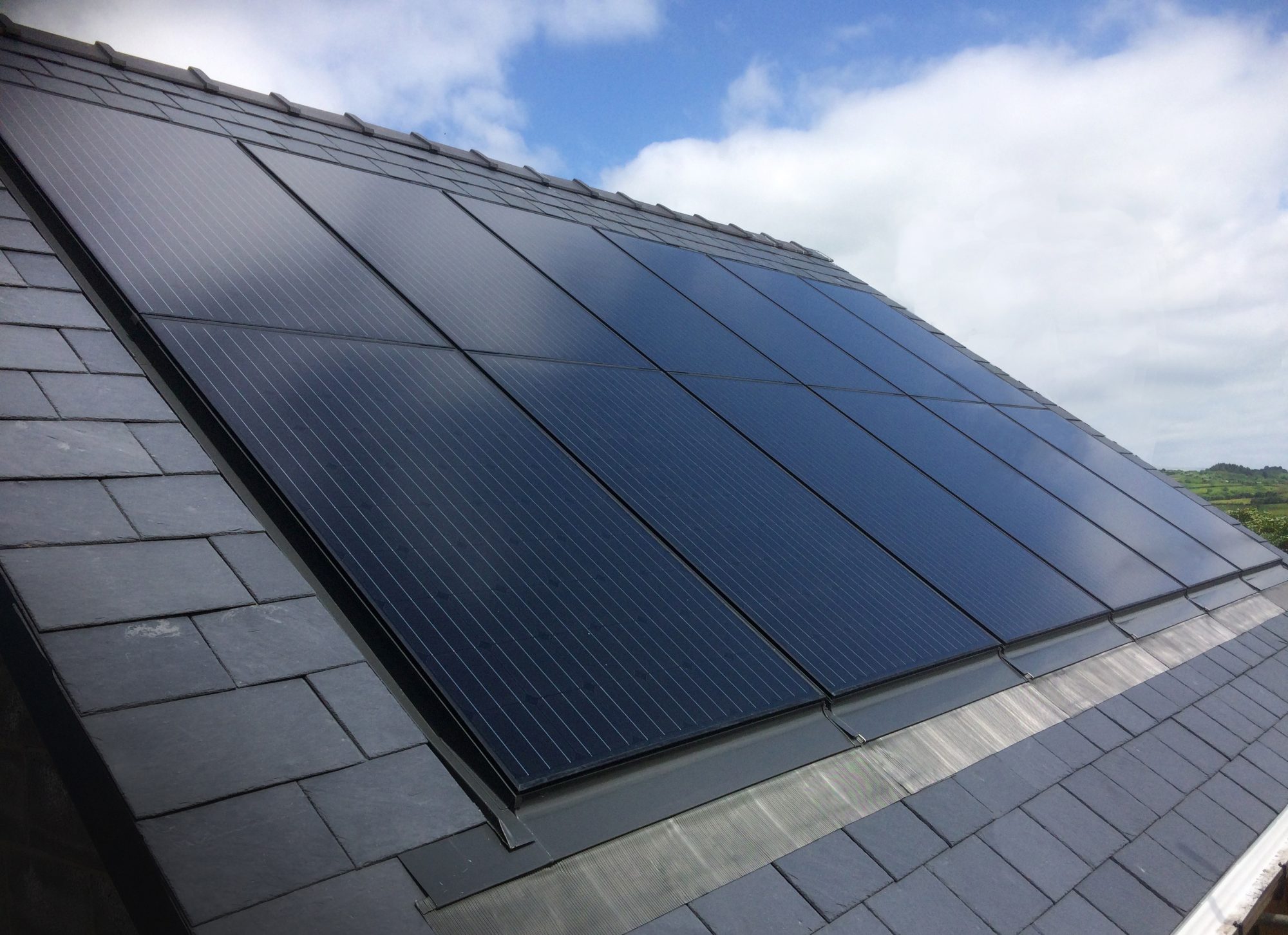
In-roof solar panels, sometimes referred to as integrated solar panels, are similar to the more common on-roof panels, but they are embedded into the roof of your home.
Because the tiles are integrated within the roof itself, there is no need for racking on top of the roof, or for netting to prevent birds from nesting.
This means they appear flush with the roof itself, giving the solar installation a sleeker, cleaner appearance than is possible with panels mounted on top of the roof tiles.
Installing solar panels involves removing roof tiles, which are then replaced with weatherproof flashing. The solar panels are then installed on top of the flashing – integrating seamlessly with the profile of the roof with no visible brackets or netting.
This involves more work than it does to install traditional on-roof systems, and the power output can be lower.
What are the advantages of in-roof solar panels? →
In-roof solar panels are a great alternative for homeowners who want to enjoy the lower bills and environmental benefits of clean solar energy without having to compromise on looks.
In-roof panels can be integrated into an existing roof. If you are in the process of a new build, or having a roof replaced, it is easy to install in-roof panels as the roof goes on.
Because the panels are flush with the roof, there is no need for measures to be taken to keep birds away. This maintains the visual appeal and eliminates the need for netting which needs to be periodically repaired or replaced. They can also offer improved weatherproofing, because the integration of in-roof panels into the roof structure ensures better protection against wind, rain, and snow, maintaining a watertight seal.
Of course, like on-roof solar panels, in-roof systems also give homeowners the advantage of being able to generate their own home energy from solar. This can drastically reduce energy bills and even provide an opportunity to generate income by selling electricity to the power companies.
What are the disadvantages of in-roof solar panels? →
Because they are more complex to install, and usually roof tiles have to be removed to put the panels in, installation of in-roof panels can cost more than it does for on-roof systems.
In-roof solar panels are very reliable, but if they need maintenance then accessing the panels is more labour-intensive than it is for roof-mounted panels. So you may wish to bear that in mind.
Another factor is that while in-roof solar panels are perfectly capable of meeting your home energy needs, they do produce a slightly lower output than the on-roof alternative.
In-roof panels are suitable for most roof types but there are some exceptions, for example, those with uneven rafters, or very steep slopes.
What are on-roof solar panels?
As their name suggests, on-roof solar panels are mounted on top of the roof tiles using mounting brackets and rails.
They sit slightly above the roof, so there is a gap between the panels and the roof surface. In most cases, we would recommend the addition of netting to protect from infestation by birds which can try to make their home under the panels.
What are the advantages of on-roof solar panels? →
On-roof solar systems are easier and quicker to install than in-roof systems, making them a cost-effective option.
On-roof systems typically generate more power than in-roof panels. This is because they are better ventilated than in-roof systems, so can run at a higher output without worrying about increased temperature.
Because on-roof panels are mounted on the surface of the roof, they are easier to access for maintenance or repairs. Replacing them, if needed, is a simpler process than removing and replacing an in-roof panel.
On-roof panels have a long track record of delivering high levels of energy efficiency, which can significantly reduce energy bills and even generate income by selling excess energy back to the grid.
What are the disadvantages of on-roof solar panels? →
Because they are mounted on the existing roof tiles by brackets and rails, on-roof solar panels protrude slightly from the roof. Some people prefer the sleeker, non-protruding in-roof solar panels which are integrated into the roof itself, becoming flush with their surrounds.
That said, modern on-roof solar panels are designed to be visually pleasing as well as powerful, and our specialists are proud of their visual appeal.
Because of the potential for birds to get under the gaps in the panel, we install netting with our on-roof systems, and this may need maintenance from time to time.
How should I decide whether to choose in-roof vs on-roof solar?
This depends on your preference. While on-roof solar panels are our most popular kind of installation, we are proficient, industry-approved installers of both versions.
If you are in the process of a new build, or undergoing a roof replacement, then an in-roof system is definitely worth considering. Although the power output may be slightly lower, and the installation more expensive, you may feel that the visual appeal is worth the compromise.
For most homeowners, an on-roof solar panel system is the best value solution. They look great, are the most efficient in terms of power generation, and are easier to maintain.
Regardless of the type of solar panel you choose, both options will significantly reduce your energy bills. They could also provide the opportunity to earn income by selling excess power back to the grid. And remember, you can combine either in-roof or on-roof solar panels with other green home energy.

Decided on in-roof or on-roof solar panels – or still not sure?
Whether you’ve made up your mind or would like more information before making a decision, our home energy experts are here to help. Chat to us on the phone or send us an email and we’d be happy to advise. When you’re ready, we offer a free site visit to your home to help you determine the best solution for you.