


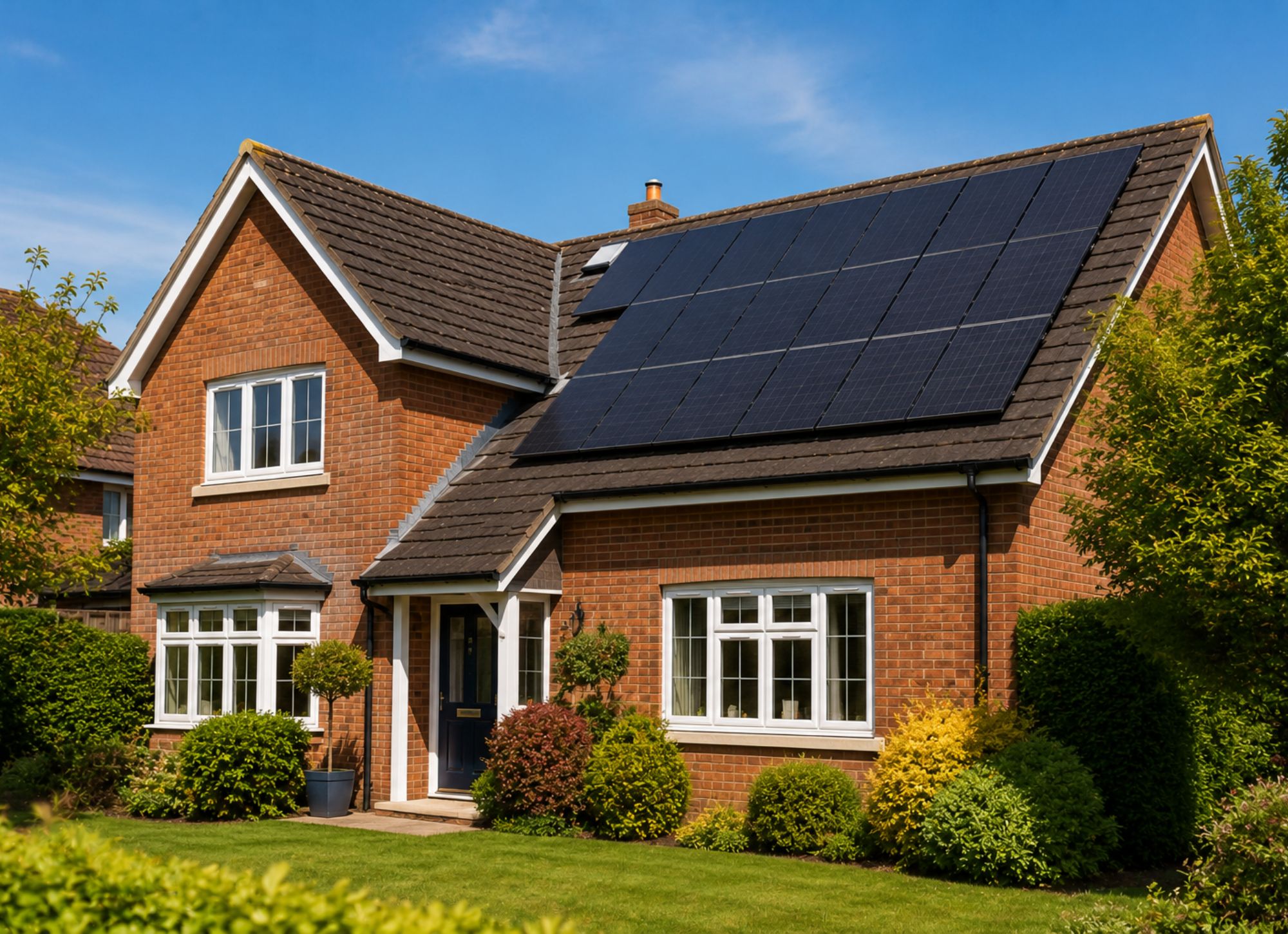
Should You Replace Your Roof Before Installing Solar Panels?
The short answer is that it often depends on the current state of your roof. If your roof has less than 10 to 15 years of life left, replacing it first can save you significant hassle and money in the long run. Solar panel systems typically last 25 to 30 years or more, so your roof needs to provide a stable, watertight base for that entire period.
Do you need to replace your roof before installing solar panels
You do not always need to replace your roof before installing solar panels, but you should address any serious issues first. Professional installers assess the roof’s age, structural strength, and condition during the initial survey. If the roof shows signs of damage or is nearing the end of its useful life, going ahead without repairs or replacement can lead to problems later.
Solar panels add some weight to the roof, though modern systems are relatively light at around 20kg per square metre. More importantly, removing and reinstalling panels for future roof work is expensive and disruptive. Many experts recommend replacing the roof if it will need work within the next decade.
This approach avoids twice the scaffolding, twice the mess, and extra costs down the line.
What signs indicate your roof needs replacement or repair before solar installation
Your roof needs attention if you notice broken or missing tiles, heavy moss growth, sagging areas, or signs of water leaks inside the loft. Other red flags include cracked felt, rotten timber, or frequent repairs in recent years. In older properties common in parts of London, Oxford, or Bristol, hidden issues like undersized rafters can also cause concern.
A professional roof survey checks these details thoroughly. MCS-certified installers, who handle most quality solar panel installations in the UK, insist on a sound roof to meet safety and performance standards. Minor repairs such as replacing a few tiles or clearing gutters can often suffice, but widespread damage usually points towards full replacement.
How long should your roof last to support solar panels
Your roof should ideally have at least 15 to 20 years of remaining life to comfortably support solar panels. Traditional UK tiled or slated roofs can last 30 years or longer with proper care, while some materials endure even longer. Solar photovoltaic systems come with performance warranties of 25 years or more, and many continue generating power efficiently beyond that, with gradual degradation of around 0.5 percent per year.
If your roof is already 20 or 30 years old and showing wear, it makes practical sense to combine roof replacement with your solar panel project. Doing both jobs together minimises disruption to your home in areas like Southampton or Cardiff, where weather can affect outdoor work schedules.
What are the risks of installing solar panels on an old roof
Installing solar panels on an old roof carries several risks.
- The main one is that you may face a full roof replacement sooner than expected, which means paying to remove the panels, store them safely, carry out the roofing work, and then reinstall everything. This process can add thousands of pounds to the total cost and leave your solar system offline for weeks.
- There is also a higher chance of leaks developing under the mounting brackets if the roof covering is weak. Water ingress can damage your loft insulation, ceilings, and even the electrical components of the solar system. In the worst cases, structural weakness could compromise safety for installers working at height.
For landlords managing rental properties in Greater London or Brighton, these risks can lead to tenant complaints, repair bills, or delays in earning income from the Smart Export Guarantee payments.
Should you repair the roof or replace it entirely?
You should repair the roof if the issues are localised and the overall structure remains strong. Simple fixes like replacing damaged tiles, resealing flashings, or treating moss can prepare the surface adequately for solar mounting systems. Many homes only need this level of work.
Full roof replacement becomes the better choice when damage is widespread, the covering material is old and brittle, or the underlying timber shows rot. Although replacement costs more upfront, it provides peace of mind for the full lifespan of your solar panels and battery storage system. Combining the two projects can also bring savings on labour and scaffolding.
Does roof material affect whether you need replacement before solar panels
Roof material does affect the installation process, though most common UK roof types can support solar panels with the right mounting hardware. Concrete or clay tiles, slate, and metal roofs are all suitable in the majority of cases. The key factor remains the condition rather than the material itself.
Older slate roofs in historic parts of Oxford or South Wales may need careful assessment because individual slates can become fragile. Flat roofs, which are more common on extensions in London homes, often require angled racking systems to achieve the best tilt for energy production. Asbestos cement roofs, sometimes found on older outbuildings or certain commercial-style properties, need specialist handling under UK health and safety rules and may require full replacement rather than direct mounting.
Experienced local installers understand these regional differences across Southern England and can recommend the best approach for your specific roof.
What are the costs involved in roof work and solar together
Roof repairs before solar installation can range from a few hundred pounds for minor tile replacement up to several thousand for more extensive work. A full re-roof on a typical three-bedroom house might cost between £8,000 and £15,000 or more, depending on size, materials, and location. Adding solar panels at the same time can reduce overall project costs by sharing access equipment and labour.
Solar panel systems themselves typically start from around £6,500 to £9,000 for a standard domestic setup in 2026, with battery storage adding extra depending on capacity. When you combine roof replacement with solar, you avoid duplicate disruption and potentially qualify for a smoother, more integrated installation.
At EE Renewables we help homeowners compare these options clearly so you understand the long-term value for your property in Bristol, Brighton, or anywhere we serve.
How does combining roof replacement and solar installation benefit UK homeowners
Combining roof replacement and solar installation benefits UK homeowners by reducing total disruption, lowering overall costs, and ensuring the new roof is optimised for the solar mounting system. You only need scaffolding and site access once, which is especially helpful for families or landlords who want to minimise inconvenience.
A new roof also improves energy efficiency through better insulation and can increase your property value. With rising energy bills, generating your own clean electricity through solar panels and storing surplus in a battery system brings immediate savings and protection against future price rises. Many homeowners in Southern England and South Wales tell us this combined approach feels like a complete upgrade for their home.
Is planning permission or building regulations affected by roof work and solar panels
Planning permission is rarely needed for standard solar panel installations on domestic roofs in the UK, provided the panels do not protrude too far or face certain directions in conservation areas. However, if you are carrying out a full roof replacement at the same time, check with your local council, especially in protected zones common in parts of Cardiff or historic areas of London.
Building regulations focus on structural safety and weatherproofing. Professional MCS-certified installers handle these requirements as standard, ensuring the finished job meets all necessary standards for electrical safety and roof integrity.
Why you need to get a professional roof assessment before deciding
You should always get a professional roof assessment before deciding on solar panels. A thorough survey by experienced roofing and solar specialists identifies hidden problems that a quick visual check might miss. This step gives you clear, honest advice tailored to your property.
EE Renewables works closely with trusted roofing partners across our service areas to provide joined-up recommendations. We believe in transparent guidance so you can make an informed choice that suits your budget and timeline.
Ready to explore solar panels for your home
If you are considering solar panels for your property in Southern England, Greater London, South West England, or South Wales, now is a great time to take the next step. Whether your roof needs minor repairs, full replacement, or is already in excellent condition, our team can guide you through the best options for your situation.
At EE Renewables we provide expert solar panel installation and solar battery storage installation across Southern England, Greater London, South West England, and South Wales — including areas like London, Brighton, Oxford, Southampton, Bristol, and Cardiff. Get in touch today for a free quote tailored to your location. Our local experts will visit your home, assess your roof honestly, and design a system that maximises your energy savings for years to come.
Frequently Asked Questions
Can you install solar panels if your roof only needs minor repairs?
Yes, in many cases minor repairs such as replacing a handful of tiles or clearing moss are enough to prepare your roof. A professional survey will confirm whether these fixes will keep the roof watertight and strong enough for the full life of the solar system.
Does installing solar panels void my existing roof warranty?
Most roof warranties remain valid if the solar installation is carried out by qualified professionals who use appropriate non-penetrating or correctly sealed mounting systems. Always check the terms with your roofer and choose an MCS-certified solar installer to protect your coverage.
Will my home insurance cover the roof and solar panels together?
You should inform your insurer about both the roof work and the new solar installation. Many policies can be updated to include the added value of the renewable energy system, often with little or no increase in premium when fitted by accredited professionals.
Is it worth replacing the roof just to add solar panels?
It can be worthwhile if your current roof is already old or showing widespread wear. Combining the projects avoids future removal and reinstallation costs, reduces disruption, and gives you a completely refreshed, energy-efficient home.
Do solar panels make it harder to sell my house later?
On the contrary, a well-installed solar system with a sound roof often makes a property more attractive to buyers. Many people value lower energy bills and the environmental benefits, especially when the installation comes with transferable warranties and MCS certification.
