


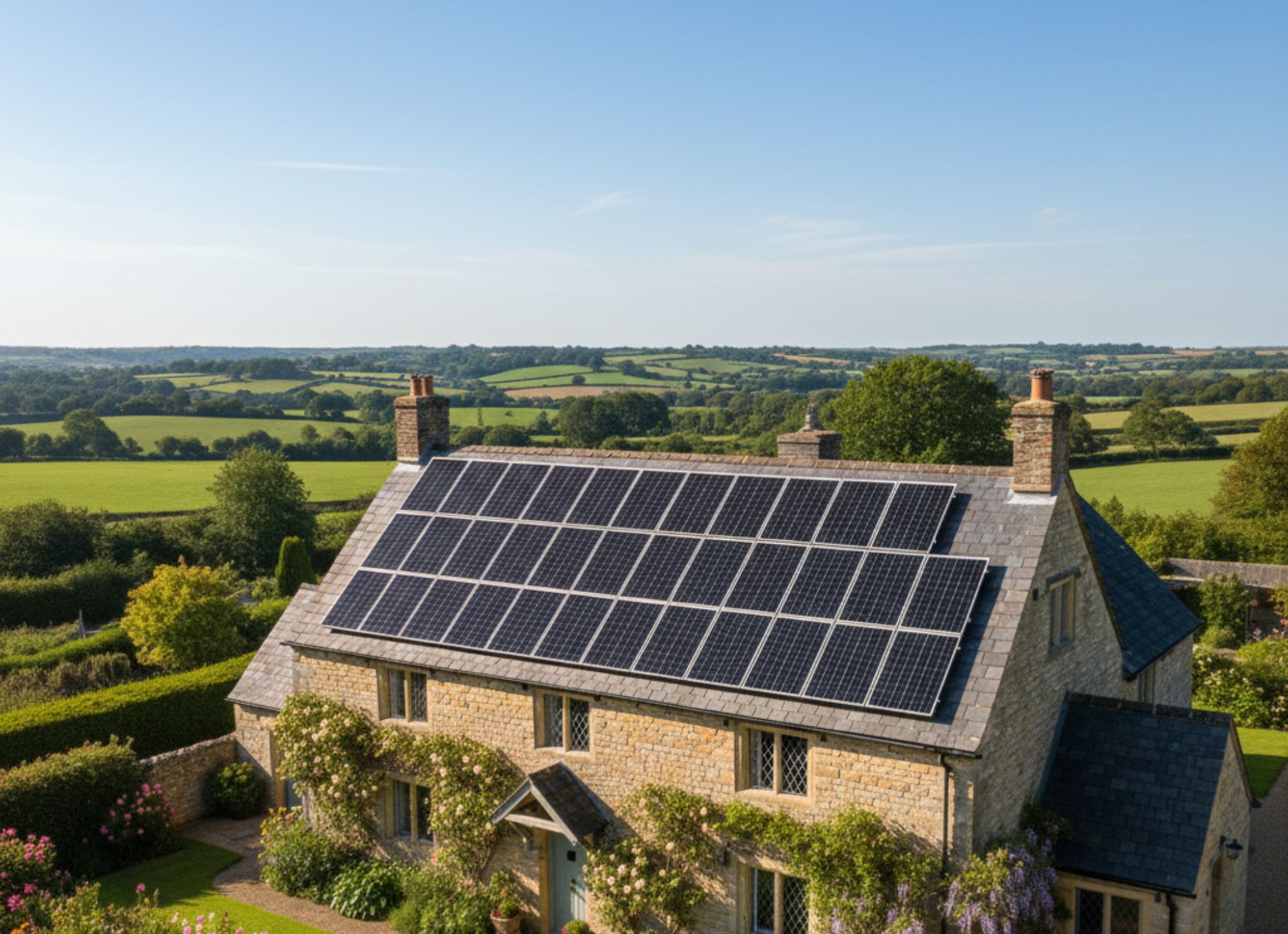
How Long Until Solar Panels Pay for Themselves?
The typical payback period for solar panels for a UK household is between 6 to 10 years, depending on factors like system size, energy usage, and available incentives.
This in-depth guide breaks down the return on investment (ROI) for photovoltaic systems, helping homeowners, landlords, and commercial property owners in Southern England, Greater London, South West England, and South Wales make informed decisions about adopting renewable energy solutions.
How Long Does It Take for Solar Panels to Pay for Themselves in the UK?
It takes solar panels 6 to 10 years on average to pay for themselves in the UK, based on current 2025 data where installation costs are recouped through energy bill savings and export tariffs. This timeframe can shorten with rising electricity prices and government grants, making solar PV systems a viable long-term investment for properties in sunny spots like Brighton or Southampton.
Calculating the Payback Period
The payback period is determined by dividing the initial solar panel installation cost by annual savings, typically yielding 8 years for a 4kW system costing £7,000 with £900 yearly benefits under the Smart Export Guarantee (SEG).
Average Costs and Savings in 2025
In 2025, a standard 4kW photovoltaic array costs £6,500 to £8,000, while annual savings range from £400 to £800 for average households, escalating to £1,000 with battery storage and optimal usage patterns.
Regional Variations Across the UK
Payback times vary by location; sunnier Southern England areas like Oxford see quicker ROI around 7 years, compared to 9-10 years in cloudier South Wales regions such as Cardiff, due to differences in solar irradiance levels.
As experts in the UK’s renewable sector, we advise getting a personalised assessment. EE Renewables provides expert renewable energy solutions across Southern England, Greater London, South West England, and South Wales—including areas like London, Brighton, Oxford, Southampton, Bristol, and Cardiff. Get in touch today for a free quote tailored to your location.
What Factors Influence the Solar Panel Payback Period?
Factors influencing the solar panel payback period include installation costs, energy consumption habits, and incentive schemes, all of which can accelerate ROI for UK properties. High-efficiency panels and strategic sizing optimise returns, especially amid fluctuating energy tariffs.
System Size and Efficiency
Larger systems, like 6kW setups for commercial buildings, offer faster payback through greater energy production, with monocrystalline panels achieving 20-22% efficiency to maximise output in limited UK sunlight.
Household Energy Usage and Habits
Higher daytime consumption aligns with peak solar generation, reducing grid reliance and shortening payback to under 8 years for energy-intensive homes in Bristol or London.
Electricity Prices and Inflation
With UK electricity rates at 24p/kWh in 2025, annual inflation of 3-5% boosts savings over time, potentially halving payback periods for long-term installations.
Location and Solar Irradiance
Southern latitudes provide 1,000-1,200 kWh/m² annually, leading to better ROI than northern areas, though advancements in bifacial panels mitigate regional disparities.
Maintenance and Warranty Considerations
Low-maintenance solar arrays with 25-year warranties ensure consistent performance, with minimal degradation (0.5% per year) preserving savings throughout the system’s lifespan.
How Do Incentives and Grants Affect Solar ROI?
Incentives and grants affect solar ROI by reducing upfront costs and enhancing earnings, often cutting payback periods by 2-4 years for eligible UK households. Schemes like the Warm Homes: Local Grant provide up to £30,000 for low-income properties, amplifying the financial appeal of renewable energy adoption.
Smart Export Guarantee (SEG) Payments
SEG tariffs pay 4-15p/kWh for exported surplus energy, adding £100-£300 annually to savings and accelerating ROI for grid-tied systems in high-production areas.
ECO4 and Boiler Upgrade Scheme
The ECO4 initiative funds solar installations for vulnerable households, while the Boiler Upgrade Scheme offers £7,500 grants when combining PV with heat pumps, slashing initial investments.
Local Authority Grants in 2025
New 2025 programs like Warm Homes: Local Grants target private homes in Southern England and South Wales, providing tailored funding to boost accessibility for landlords and homeowners.
Tax Benefits for Commercial Properties
Businesses enjoy VAT relief and enhanced capital allowances, reducing effective costs by 20-25% and yielding ROI under 5 years for commercial solar in Oxford or Southampton.
What Are the Long-Term Benefits Beyond Payback?
The long-term benefits beyond payback include free electricity for 15-20 years post-recoupment, environmental impact reduction, and property value increases of up to 4% in the UK market. Solar-equipped homes in London or Cardiff attract eco-conscious buyers, enhancing resale appeal.
Environmental Impact and Carbon Savings
A typical system offsets 1 tonne of CO2 annually, contributing to UK’s net-zero goals and providing intangible benefits like reduced fossil fuel dependence.
Property Value Enhancement
Solar installations boost home values by £5,000-£10,000, with Energy Performance Certificate (EPC) improvements appealing to landlords managing rental portfolios.
Energy Independence and Resilience
Post-payback, households achieve partial grid independence, shielding against price volatility and supporting EV charging or home batteries for comprehensive renewable setups.
Ready to Calculate Your Solar Panel Payback?
Are you ready to calculate your solar panel payback and explore customised options? EE Renewables offers expert renewable energy solutions throughout Southern England, Greater London, South West England, and South Wales—serving locations such as London, Brighton, Oxford, Southampton, Bristol, and Cardiff. Request a free solar panel installation quote personalised to your property.
FAQs
How Does Panel Degradation Impact Long-Term ROI?
Solar panels degrade at 0.5% per year, but with robust warranties, this minimally affects ROI, ensuring 80-85% efficiency after 25 years in UK’s moderate climate.
Can Adding Batteries Shorten Payback Periods?
Yes, batteries like lithium-ion units store excess energy for evening use, potentially reducing payback by 1-2 years through avoided peak-rate purchases, though initial costs add £3,000-£5,000.
What Role Do Financing Options Play in Affordability?
Zero-interest loans or green mortgages spread costs over 10-15 years, aligning payments with savings to effectively neutralise upfront barriers for UK homeowners.
How Do Seasonal Variations Affect Annual Savings?
Winter yields 20-30% of summer output, but year-round averages still deliver solid ROI, with south-facing roofs in Brighton maximising minimal sunlight periods.
Are There ROI Differences Between Residential and Commercial Installs?
Commercial setups often see 4-6 year paybacks due to higher usage and tax incentives, compared to 7-9 years for homes, making them ideal for landlords with multiple properties.
Final Thoughts
Understanding payback timelines, influenced by costs, savings, incentives, and regional factors, equips UK property owners to harness solar’s financial and environmental rewards effectively. With tailored strategies and professional expertise, transitioning to photovoltaic systems promises sustained energy security and value appreciation.
