


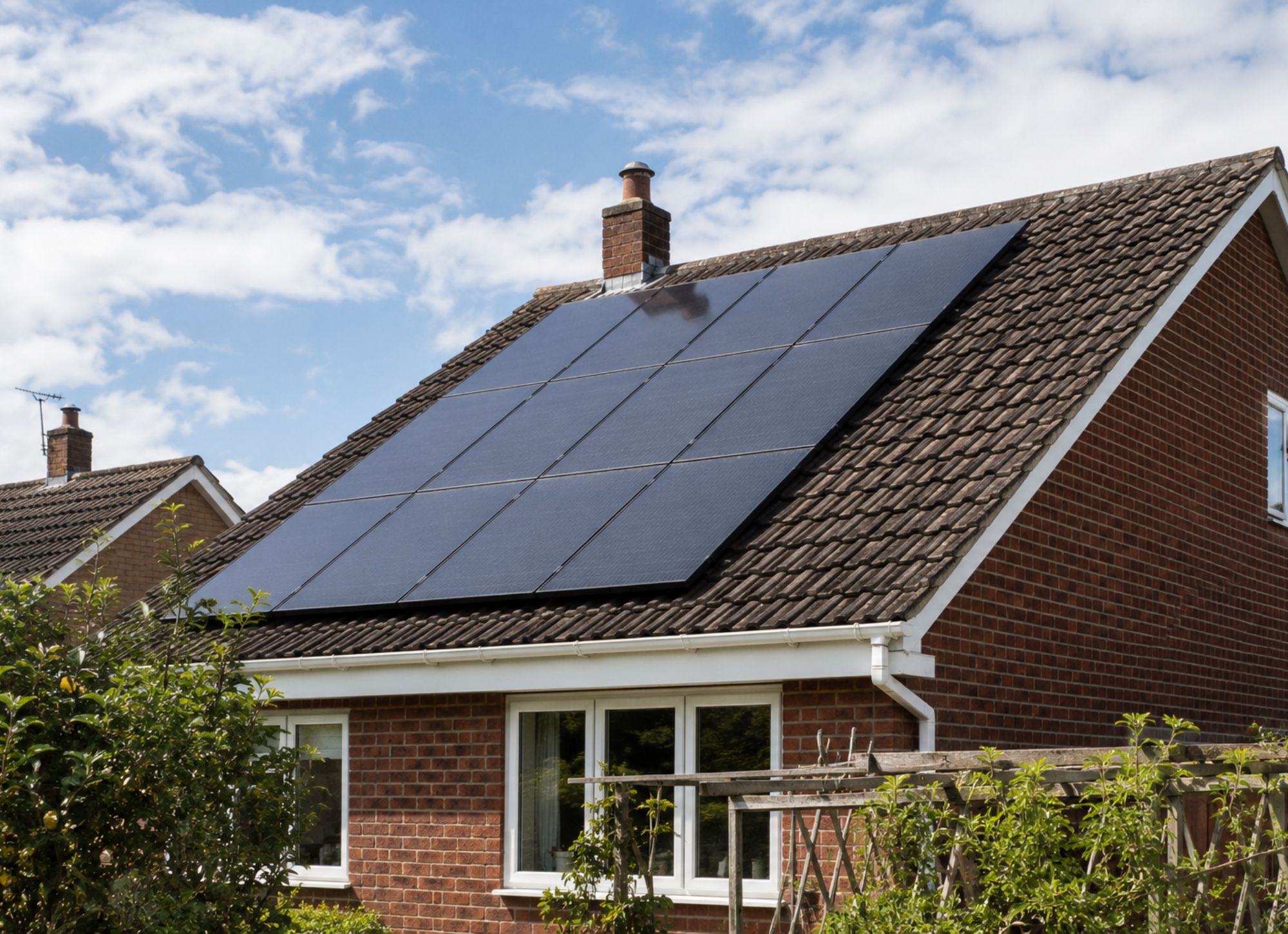
Are Solar Panels Worth It In the UK? Yes, Here’s Why
Yes. Solar panels are worth it for most properties in areas like London, Brighton, Oxford, Southampton, Bristol and Cardiff. A good solar panel system cuts electricity bills, provides long term energy security and adds to your home’s appeal.
Are solar panels worth the investment?
Yes, solar panels are worth it in the UK because they generate free electricity from daylight hours and deliver clear savings on your energy bills. A typical 4kW system costs between £6,000 and £8,000 fully installed in 2026, depending on your roof and any added solar battery storage.
Homeowners often see annual bill reductions of £500 to £900 or more when they use the power themselves instead of buying from the grid. With electricity prices around 24.67p per kWh under the current Ofgem price cap, those savings add up quickly. Many households achieve payback in 7 to 10 years, after which the electricity is essentially free for the remaining 15 to 20 years of the system’s life.
In brighter southern locations such as Brighton or Bristol the payback can be even faster, sometimes 6 to 8 years with smart usage and battery storage. Landlords benefit too because lower running costs make rental properties more attractive and can support higher rents or faster tenancy turnover.
What are the benefits of solar panels
Solar panels deliver a wide range of practical and financial advantages for both residential homeowners and commercial businesses across Southern England, Greater London, South West England and South Wales. Whether you own a family home in Brighton or run a business in Bristol or Cardiff, installing solar panels can significantly reduce energy costs while providing long-term value and energy independence.
- Lower electricity bills: Homeowners can cut their annual electricity costs by hundreds of pounds, while commercial businesses often see even larger savings due to higher daytime energy use.
- Energy independence and security: Generate your own clean power and reduce reliance on the national grid, protecting both households and businesses from future price rises.
- Increased property value: Solar panel systems make residential homes more attractive to buyers and can improve the appeal and rental yield of buy-to-let properties. For commercial premises, they enhance the building’s green credentials.
- Environmental impact: Reduce your carbon footprint significantly. A single domestic system can offset several tonnes of CO₂ each year, while businesses can demonstrate genuine sustainability to customers and stakeholders.
- Income from excess electricity: Through the Smart Export Guarantee (SEG), both homeowners and businesses earn money by exporting unused power back to the grid.
- Low maintenance: Solar panels require minimal upkeep, offering a reliable, set-and-forget solution for busy homeowners and commercial property owners alike.
- Excellent pairing with electric boiler installation: Homeowners planning an electric boiler installation can use solar electricity to heat their homes far more cheaply, especially when combined with solar battery storage.
Adding solar battery storage further boosts these benefits by allowing you to store and use more of the power you generate, making the system even more effective for both homes and businesses.
How much can you save on electricity bills with solar panels
The amount you save depends on how much electricity your household uses during the day and whether you add solar battery storage. Without a battery you might use 30 to 50 percent of the power your panels produce. With a battery that figure often rises to 70 or 80 percent, which means bigger savings and less reliance on expensive grid electricity in the evenings.
For an average family home in Greater London or Oxford a well sized system can cut bills by 50 to 75 percent. Pairing panels with battery storage lets you store surplus power for later and protects against future price rises. Many of our customers in Southampton and Cardiff report combined savings from self consumption and Smart Export Guarantee payments that comfortably exceed £700 a year.
The Smart Export Guarantee (SEG) pays you for any extra electricity you send back to the grid. Rates vary by supplier but can reach 15p or more per kWh with some tariffs, especially if you choose a provider that offers better terms for solar plus battery setups. This extra income shortens the payback period further.
What factors affect whether solar panels are worth it for your property
Several practical elements determine the return on your investment.
Roof orientation
Roof orientation matters most. South facing roofs capture the best sunlight, but east or west facing ones still work well, especially with modern high efficiency panels.
Daily energy habits
Your daily energy habits play a big part. Homes with people working from home or using appliances like washing machines during daylight hours see faster returns. Electric vehicle owners or those planning an electric boiler installation benefit hugely because they can use solar power to charge cars or heat water cheaply.
Location
Properties in the sunnier South West and South East of England generally produce more electricity than those further north. A home in Bristol or Brighton often generates noticeably more than one in a shaded part of London, though even urban installations deliver strong results when designed properly.
System size
System size should match your needs. A 3.5 to 5kW setup suits most three bedroom houses, while larger detached properties in Oxford or Cardiff might need 6kW or more. Adding solar battery storage, typically costing an extra £4,000 to £8,000, improves self consumption and provides backup during power cuts.
Shading
Shading from trees or neighbouring buildings reduces output, so our team always checks this during a site visit.
How solar battery storage makes your system even more worthwhile
Solar battery storage transforms how useful your panels become. Instead of exporting surplus power at lower SEG rates, you store it and use it when the sun goes down or during peak price periods. This approach often delivers the best overall financial return.
Batteries work especially well with electric heating or hot water systems. If you are considering an electric boiler installation, pairing it with solar panels and battery storage can dramatically cut the running costs of your heating. You generate and store clean electricity during the day and draw on it in the evening, reducing or even eliminating expensive grid imports.
Modern batteries are reliable, quiet and come with smart monitoring apps so you can see exactly how much power you are producing, storing and using. Many of our installations across Southern England include battery options that help households reach 80 percent or higher self consumption rates.
What are environmental and property value benefits of going solar
Beyond the money, solar panels help reduce your carbon footprint. A typical domestic system prevents hundreds of kilograms of carbon dioxide emissions each year, the equivalent of planting dozens of trees or taking a car off the road for many miles.
UK buyers and tenants increasingly look for energy efficient homes. Installing solar panels can increase your property value and make it easier to sell or rent, particularly in competitive markets like London, Brighton and Bristol. Homes with lower energy bills stand out to environmentally conscious buyers and those worried about future energy costs.
Are solar panels worth it if you have an electric boiler?
Yes, solar panels pair particularly well with electric boilers. An electric boiler installation uses electricity to provide heating and hot water, so powering it with your own solar generation makes excellent sense. During sunny periods your panels can run the boiler directly or charge a battery for later use, keeping heating costs under control even when grid prices rise.
This combination supports the UK’s move towards low carbon heating and helps future proof your home against changing regulations and energy prices. Many homeowners in our service areas choose this route for both cost savings and environmental reasons.
Ready to find out if solar panels are worth it for your home or business?
At EE Renewables we provide expert solar panel installation and solar battery storage installation across Southern England, Greater London, South West England and South Wales, including London, Brighton, Oxford, Southampton, Bristol and Cardiff.
Our team designs systems tailored to your roof, energy use and future plans, whether you want to power an electric boiler, charge an electric vehicle or simply cut your bills. We also provide commercial solar panel installation for businesses.
Frequently Asked Questions
Can I get any grants or funding to help with solar panel costs in 2026?
Some households, especially those on certain benefits or with lower energy efficiency ratings, may qualify for support through schemes like ECO4, which runs until the end of 2026. Zero percent VAT on solar installations also helps reduce the upfront price. Our team can advise you on current options during your free quote.
How does solar affect my home insurance or planning permission?
Most standard home insurance policies cover solar panels, though you should tell your insurer after installation. Planning permission is rarely needed for domestic roof mounted systems in England and Wales, as long as they follow certain size and position rules. We handle all compliance and notifications as part of our service.
What happens to my solar system if I move house?
Solar panels usually stay with the property and can add value when you sell. Buyers often see the lower energy bills as a big plus. If you rent out the property as a landlord, the system continues to generate savings or income for your tenants, making the property more appealing.
Do solar panels work well in cloudy UK weather?
Modern panels generate electricity from daylight, not just direct sunshine, so they perform reliably even on overcast days common in Southern England and South Wales. Output is lower in winter, but annual generation still delivers worthwhile savings year after year.
Will adding solar panels and a battery increase my property’s EPC rating?
Yes, renewable energy measures like solar PV and battery storage can improve your Energy Performance Certificate rating. A better EPC helps with selling or renting and may unlock other future incentives or lower stamp duty in some cases.
