


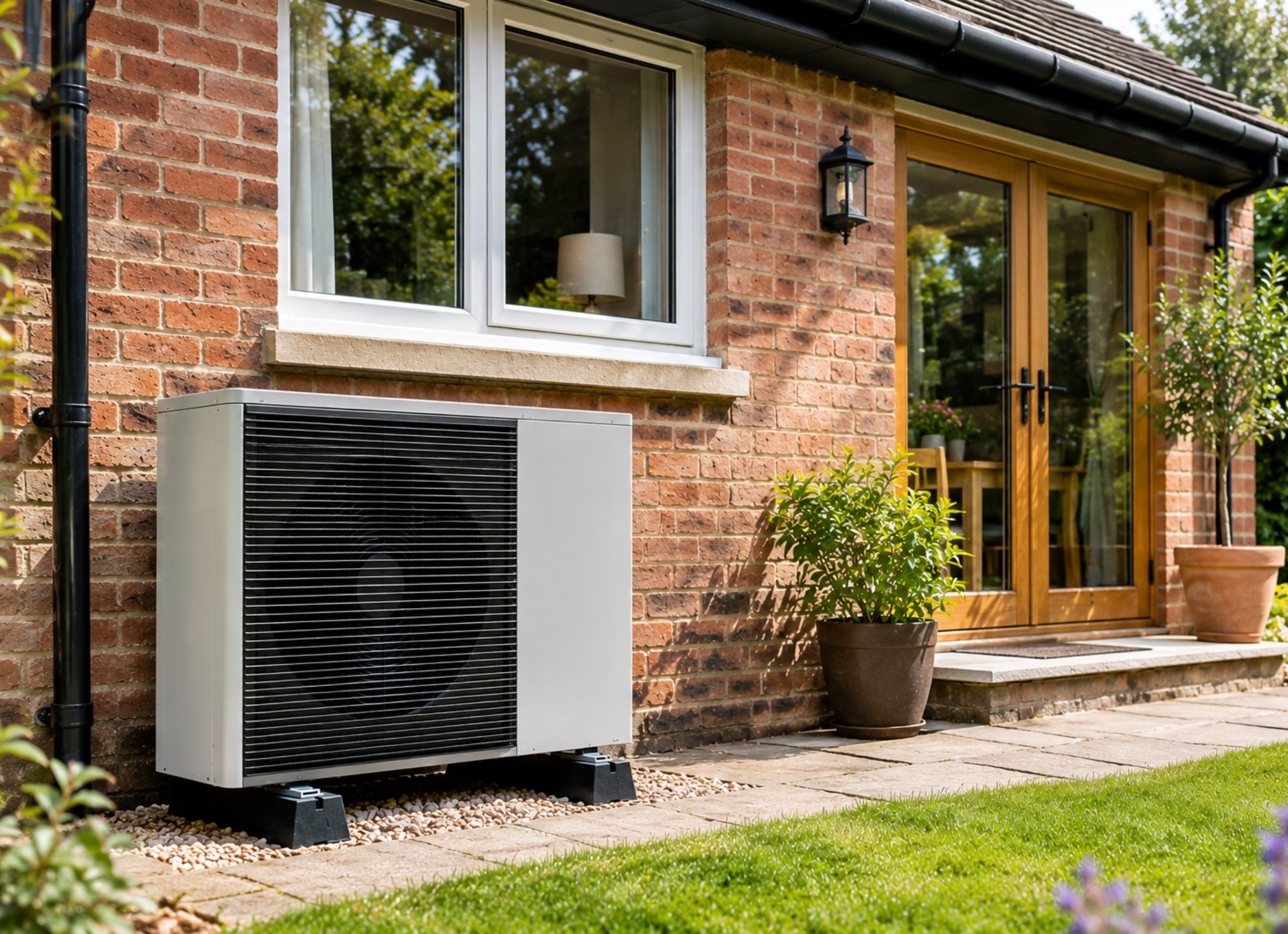
Best Time to Install a Heat Pump in the UK
The best time to install a heat pump in the UK is usually spring or early summer, ideally before your current boiler breaks down. Installing between March and July means your heating can be switched off for a few days without anyone getting cold, installers tend to have more availability, and you have the whole summer to get used to the new system before winter arrives.
Timing is about more than the calendar, though. The right moment also depends on the age of your boiler, whether you are renovating or improving insulation, when you plan to sell or let the property, and how long grants and tax breaks such as the £7,500 Boiler Upgrade Scheme and 0% VAT on installations remain available.
In this guide, I’ll explain when to install, what each season is like, the moments in a home’s life when switching makes most sense, and how long the whole process takes. It is written for homeowners and landlords across London, Southern England, the South West and South Wales who want to plan ahead rather than make a rushed decision in the middle of winter.
When Is the Best Time of Year to Install a Heat Pump in the UK?
The best time of year to install a heat pump in the UK is between spring and late summer, roughly March to August. During these months your heating is off or barely used, so the short changeover period causes little disruption, and the system can be set up and fine tuned well before the first cold spell.
The second best answer is simple: install before you are forced to. Most boilers are replaced in a hurry after a breakdown, often in winter, when there is little time to compare quotes or plan properly. Planning a heat pump while your current boiler still works gives you time to get a proper survey, compare options and choose an installation date that suits you.
Heat pump demand in the UK is growing quickly. Close to 100,000 heat pumps are now being installed each year, and the government is aiming for 600,000 a year by 2028. As demand rises, booking early in the year is becoming even more important.
Planning ahead for a heat pump? EE Renewables provides expert air source heat pump installation across Southern England, Greater London, South West England and South Wales, including areas like London, Brighton, Oxford, Southampton, Bristol and Cardiff. Get in touch today for a free air source heat pump quote tailored to your location.
Why Are Spring and Summer the Best Seasons to Install a Heat Pump?
Spring and summer are the best seasons to install a heat pump because your home does not rely on its heating, outdoor work is easier, and you get months to settle in before winter. Here is why that matters.
Your Heating Is Not Needed
Your heating not being needed means the changeover is painless. A typical air source heat pump installation takes two to five days, and the heating system is out of action for part of that time. In May or June, nobody notices. In January, a few days without heating can be a real problem, especially for families with young children or elderly relatives.
Time to Fine Tune Before Winter
Time to fine tune before winter is a big advantage. Heat pumps work best when settings such as the heating curve, schedules and hot water times suit your home and routine. Installing in spring or summer gives you and your installer time to adjust things gradually, so the system is running at its most efficient when the cold weather arrives.
Easier Outdoor Work
Easier outdoor work makes the job smoother. Laying a base for the outdoor unit, running pipes through walls and working outside are quicker and tidier in dry, mild weather. Heavy rain or frost can slow things down.
Better Installer Availability
Better installer availability is common earlier in the year. Demand for heating work tends to peak in autumn and winter, when old boilers fail and people start thinking about the cold. Booking a survey in early spring often means a wider choice of installation dates.
Can You Install a Heat Pump in Autumn or Winter?
You can install a heat pump in autumn or winter, and many homes in the UK do. A well organised installer can keep disruption to a minimum, and some homeowners prefer to switch when they can see straight away how much they are saving. Heat pumps work well in cold weather, operating in temperatures far below anything Southern England or South Wales normally sees.
If you install in the colder months, it helps to:
- Book early, as lead times are often longer from October onwards.
- Have a few electric heaters ready for the day or two when the heating is off.
- Ask your installer to plan the work so the old system stays running for as long as possible.
- Expect to make a few adjustments to the settings in the first weeks.
How Does Each Season Compare for Heat Pump Installation?
Each season has its own advantages and drawbacks for heat pump installation. The table below sums them up.
| Season | Advantages | Drawbacks |
|---|---|---|
| Spring (March to May) | Heating rarely needed, good availability, time to fine tune before winter | Spring bookings can fill quickly |
| Summer (June to August) | No heating needed, best weather for outdoor work | Holidays can affect your own availability |
| Autumn (September to November) | Savings start straight away as heating season begins | Demand rises, lead times lengthen |
| Winter (December to February) | You see the benefits immediately | Disruption without heating, frost or rain can slow outdoor work |
When Is the Best Time to Switch to a Heat Pump?
The best time to switch to a heat pump is when your boiler is getting old, when you are already renovating, after improving insulation, when moving away from oil or LPG, and when buying or preparing to let a property. These moments make the switch cheaper, easier or more valuable.
When Your Boiler Is 10 to 15 Years Old
When your boiler is 10 to 15 years old, it is a good time to start planning. Most gas and oil boilers last around 10 to 15 years, and efficiency often drops as they age. Replacing an old boiler with a heat pump on your own schedule is far better than replacing it in a rush after it fails, when the quickest option is usually another boiler.
During a Renovation or Extension
During a renovation or extension, much of the disruption is already happening. Floors may be up, walls opened and rooms empty, which makes it easier to upgrade radiators, add underfloor heating and run new pipework. Builders and heat pump installers can coordinate the work so it is done once.
After Improving Your Insulation
After improving your insulation is an ideal time, because a well insulated home needs a smaller heat pump and is cheaper to run. Loft insulation, cavity wall insulation, draught proofing and better windows all reduce heat loss. If you are planning these upgrades, do them first or at the same time, so the heat pump can be sized correctly.
When Moving Away From Oil or LPG
When moving away from oil or LPG, the savings and benefits are often greatest. Many rural homes in Oxfordshire, Wiltshire, Dorset, Devon and South Wales rely on these fuels. If your oil tank is ageing or your LPG contract is up for renewal, it is the perfect moment to compare a heat pump.
When Buying a New Home
When buying a new home, you can often install a heat pump before moving in, when the house is empty and disruption does not matter. Some buyers also factor the cost into their plans, using a green mortgage or additional borrowing from lenders such as Nationwide, NatWest or Barclays.
Between Tenancies
Between tenancies is the best time for landlords to install. An empty property means no disruption to tenants, and you can carry out insulation work at the same time. With the government planning for privately rented homes in England to reach EPC band C by 2030, upgrading during a void period helps you get ahead.
How Do Grants and Deadlines Affect the Best Time to Install?
Grants and deadlines affect the best time to install because the financial support available today may not last forever. Right now, the numbers are some of the most favourable they have been.
The Boiler Upgrade Scheme
The Boiler Upgrade Scheme offers £7,500 towards an air source heat pump in England and Wales when it is fitted by an MCS certified installer. The government has extended the scheme and increased its budget, but grant schemes can change, so there is a clear advantage to applying while the full grant is on offer.
0% VAT on Installations
0% VAT on heat pump installations is currently due to run until 31 March 2027. After that date, VAT could return, which would add to the cost of any installation that has not been completed. If you are thinking of switching in the next year or so, it makes sense to plan your installation well before that deadline.
Rules for Landlords
Rules for landlords are tightening. Private rentals in England and Wales must currently have an EPC of at least band E, and the government has set out plans for privately rented homes in England to reach band C by 2030. Installing a heat pump sooner spreads the cost and avoids a last minute rush when installer demand is likely to be at its highest.
How Long Does It Take to Install a Heat Pump From First Enquiry?
It takes around four to eight weeks from first enquiry to a working heat pump for most homes, although this varies with demand and the season. Here is how the process usually runs:
- First enquiry and initial chat: a few days. We discuss your home, current heating and goals.
- Home survey: usually within one to two weeks. We measure rooms, check insulation and radiators, and look at where the outdoor unit could go.
- System design and quote: around one week. You receive a detailed, fixed price quote with expected running costs.
- Grant application: often one to two weeks. Your installer applies to Ofgem for the Boiler Upgrade Scheme grant on your behalf.
- Installation: two to five days on site, depending on the size of the job and any radiator upgrades.
- Commissioning and handover: on the final day. We set the system up, show you how to use it and give you your paperwork.
Because of this lead time, the best time to get in touch is usually a month or two before you want the work done. For a summer installation, that means starting the conversation in spring.
Ready to Plan Your Heat Pump Installation?
Planning your heat pump installation starts with a free, no obligation quote from EE Renewables. As an independent air source heat pump installer, we will help you pick the right time and the right system for your home, without pressure and without a one size fits all package.
When you get in touch, our team will:
- Talk through your timings, whether you want to install this spring or plan further ahead.
- Survey your home and carry out a room by room heat loss assessment.
- Give you a clear, fixed price quote with realistic running cost estimates.
- Explain how the £7,500 Boiler Upgrade Scheme grant and 0% VAT reduce your cost.
- Book an installation date that suits you and your household.
EE Renewables provides air source heat pump installation across Greater London, Southern England, South West England and South Wales, including London, Brighton, Oxford, Southampton, Bristol, Cardiff and the surrounding areas. Whether you are a homeowner planning ahead or a landlord timing an upgrade between tenancies, we are here to help.
Request your free air source heat pump quote today and secure an installation date that works for you.
Frequently Asked Questions
Can I Stay in My Home While a Heat Pump Is Installed?
Yes, you can stay in your home while a heat pump is installed. Most households carry on living as normal, with installers working room by room and outside. Expect some noise and dust when pipes are run or radiators changed, and short periods when the heating and water are switched off.
Will I Have Hot Water During a Heat Pump Installation?
You will usually have hot water for most of a heat pump installation, but expect it to be off for around a day while the new cylinder is fitted and connected. Your installer will tell you in advance when this will happen, so you can plan showers and washing around it.
Are Heat Pumps Cheaper at Certain Times of Year?
Heat pumps are not usually much cheaper at any particular time of year, as installation prices depend more on your home than the season. Manufacturers sometimes raise list prices at the start of a new year, so a quote agreed earlier can occasionally save money. Grant and VAT changes have a far bigger effect on cost.
Should I Install Solar Panels Before or After a Heat Pump?
You can install solar panels before, after or at the same time as a heat pump, as they work independently. Installing both together can reduce disruption and scaffolding costs, and lets one installer design them to work well side by side. If budget is limited, the heat pump usually brings the bigger saving on heating bills.
How Long Is a Boiler Upgrade Scheme Voucher Valid?
A Boiler Upgrade Scheme voucher for an air source heat pump is valid for three months from the date it is issued. The installation must be completed within that time, or a new application is needed. This is why your installer will usually apply for the grant once you have agreed an installation date.
