


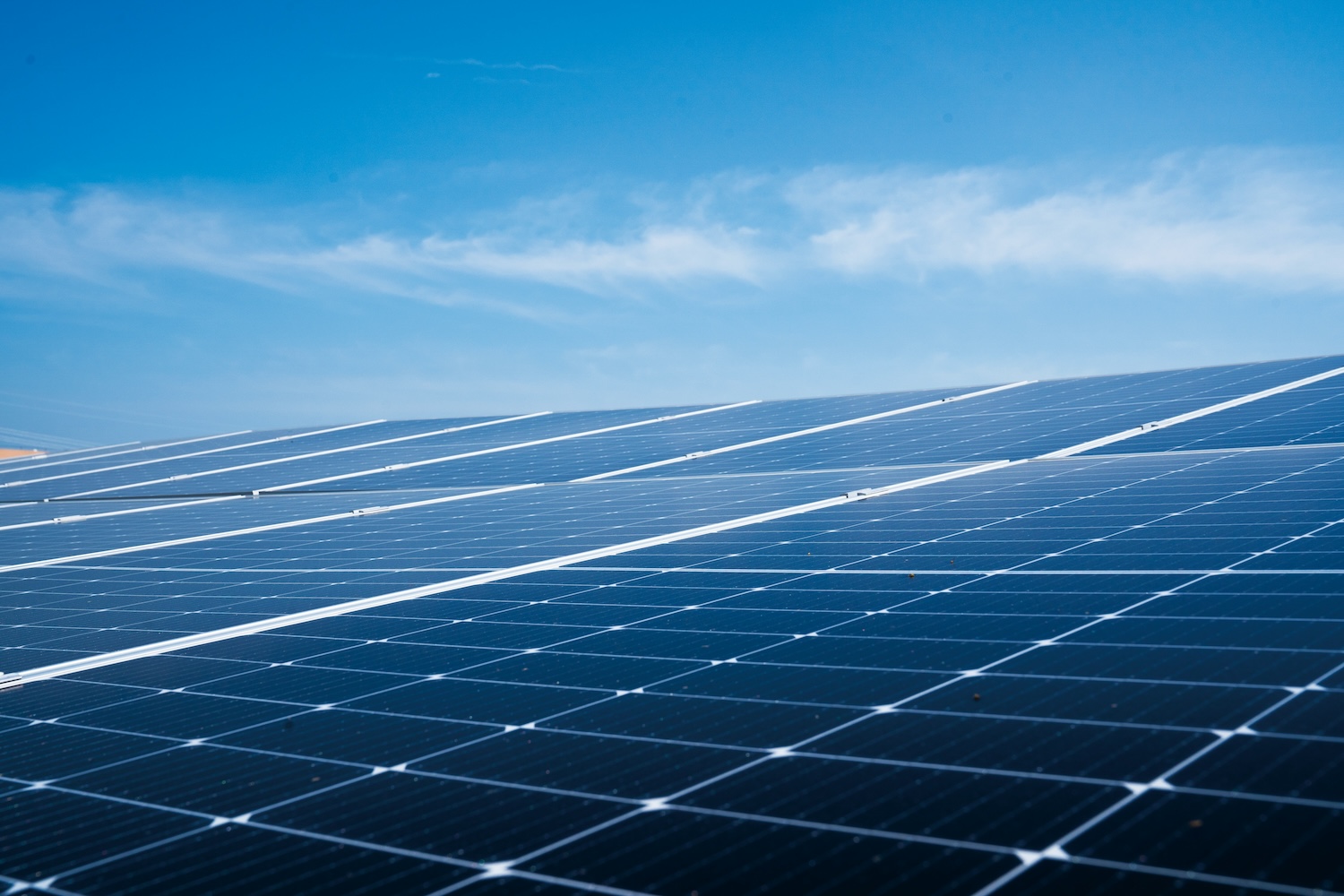
Can you run an entire home on solar panels and a battery?
Solar panels can make a significant difference to your energy bills. Add a battery, and you can store more of the clean energy you generate, reduce your reliance on the grid and, in some cases, bring your bills close to zero.
But can you go 100% solar? A well-designed system can meet a large share of your energy needs, typically around 50 to 70% over the year, but relying on solar alone is uncommon in the UK. Our changeable weather and higher winter demand mean that staying connected to the grid is usually the most practical option.
What can solar panels power?
A typical 3-4kW solar panel system can cover much of your everyday electricity use, including lighting, computers and appliances such as your fridge, dishwasher and washing machine. It can also help charge an electric car and power a heat pump.
That kind of system can generate around 2,600–2,700kWh a year. For a typical household using about 4,000kWh annually, that is more than half of its electricity needs. On average, homeowners can also save around £1,000 a year on their bills.
To run completely off-grid, a home would need to generate enough electricity for the whole year and store enough for times when the panels produce less – overnight and during the darker winter months, for example. That could mean a system with more than 40 panels, compared with the eight to 13 panels many UK homes need. For most households, the space required and upfront cost simply would not translate into worthwhile energy savings.
A battery can, however, help a home operate much more independently during the summer, when solar generation is higher and there is less demand for heating and lighting. With a standard solar set-up and the right battery, some homes may be self-sufficient for stretches of the warmer months.
Why invest in a solar battery?
A battery stores the surplus energy your panels generate during the day, so you can use it later when they are producing little or no electricity – in the evening, overnight or during darker winter months.
A battery can cover much of your evening and overnight usage. Going completely off-grid, though, would usually require a much larger battery with a capacity of around 30–50kWh. For most households, it makes more sense to stay connected to the grid and export surplus electricity through the Smart Export Guarantee (SEG), earning money for the clean power they do not use.
How to make the most of your solar set-up
A few simple changes to when you use energy can reduce your reliance on the grid even further. Try running high-use appliances, such as your washing machine, dishwasher and electric oven, when solar generation is at its peak, typically between 10am and 4pm. Smart plugs and appliance timers can help you schedule them automatically.
If you have an electric car, charging it at home is likely to be one of your biggest electricity demands, with a typical charge using 20-40kWh. On sunny days, a standard solar set-up can help power a typical 7kW home charger. A battery lets you make use of surplus solar energy later, too. So, if your car is away from home during the day, you can use stored energy to charge it in the evening or overnight, reducing the amount of electricity you need to buy from the grid.
Solar panels and a battery can transform the way you power your home, even without complete grid independence. If you are ready to cut your energy bills and make the switch to solar, speak to our friendly specialists at info@eerenewables.co.uk or call 0800 802 1116.
Try our instant quote tool, and get £100 off a solar panel system with the code SOLAR100.
